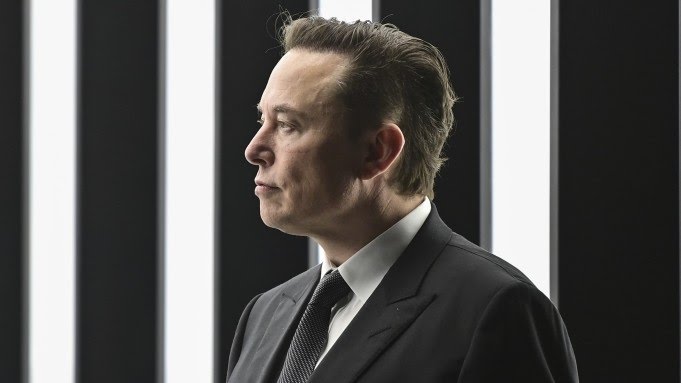
Why did Elon Musk terminate Twitter deal?
In a filing with the US Securities and Exchange Commission (SEC), Musk said that he wanted to terminate the deal because Twitter was in “material breach” of their agreement and had made “false and misleading” statements during negotiations.
UPDATED: Elon Musk has called the whole thing off — but Twitter isn’t done with him yet.
The mega-billionaire terminated his $44 billion offer for Twitter, notifying the company of the decision on Friday in a letter from his lawyers, according to a regulatory filing. Musk is primarily claiming that Twitter misrepresented the scope of spam and fake accounts on the social network, saying his team’s preliminary estimates put that “wildly higher” than the sub-5% figure that Twitter has repeatedly claimed.
Twitter said it plans to sue Musk over his nixing of the deal and hold him to his $54.20-per-share deal price.
“The Twitter Board is committed to closing the transaction on the price and terms agreed upon with Mr. Musk and plans to pursue legal action to enforce the merger agreement,” Twitter chairman Bret Taylor, who is also co-CEO of Salesforce, wrote in a tweet. “We are confident we will prevail in the Delaware Court of Chancery.”
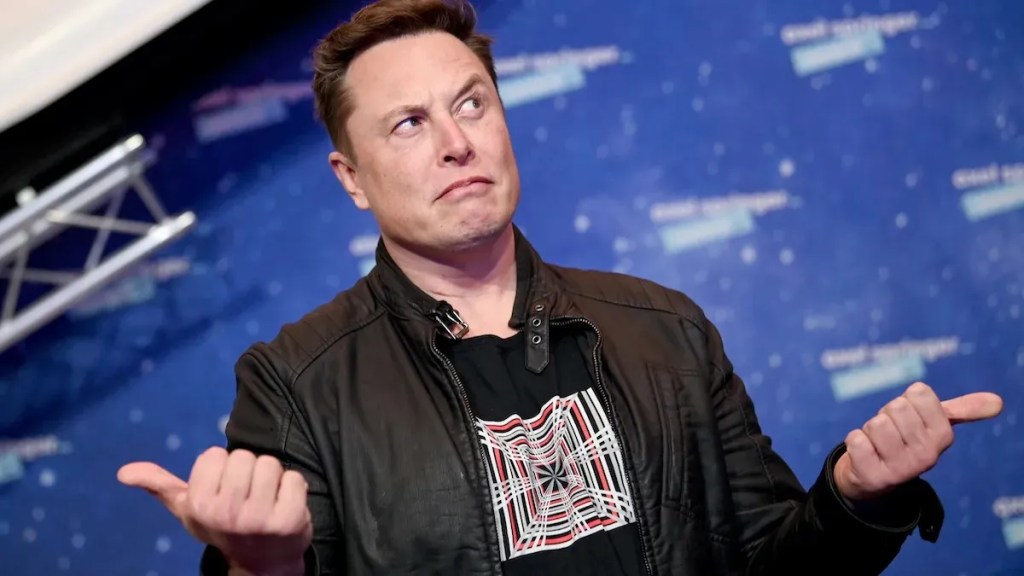
With Musk bailing on the Twitter takeover, the CEO of Tesla and SpaceX would have to pay a $1 billion breakup fee to Twitter (and he could be the target of additional litigation), unless he is able to prove Twitter significantly misled him about factors related to the company’s value.
“Mr. Musk is terminating the Merger Agreement because Twitter is in material breach of multiple provisions of that Agreement, appears to have made false and misleading representations upon which Mr. Musk relied when entering into the Merger Agreement, and is likely to suffer a Company Material Adverse Effect (as that term is defined in the Merger Agreement),” said the letter to Twitter.

Musk, the world’s wealthiest individual, turned heads in April when he clinched a deal to buy Twitter with the social network’s board. He excitedly discussed ideas he had for Twitter, including requiring that it strictly adhere to “free speech” principles and floating the idea that the service would charge companies a fee to be on the platform.
But there were soon signs Musk was having buyer’s remorse. Last month, Musk’s lawyers warned that Twitter was in “material breach” of the merger agreement because the company was “actively resisting and thwarting his information rights” by failing to provide data backing up its claims about fake and spam accounts. Musk also has acknowledged that lining up debt financing to swing the deal was an obstacle.


 Techselect